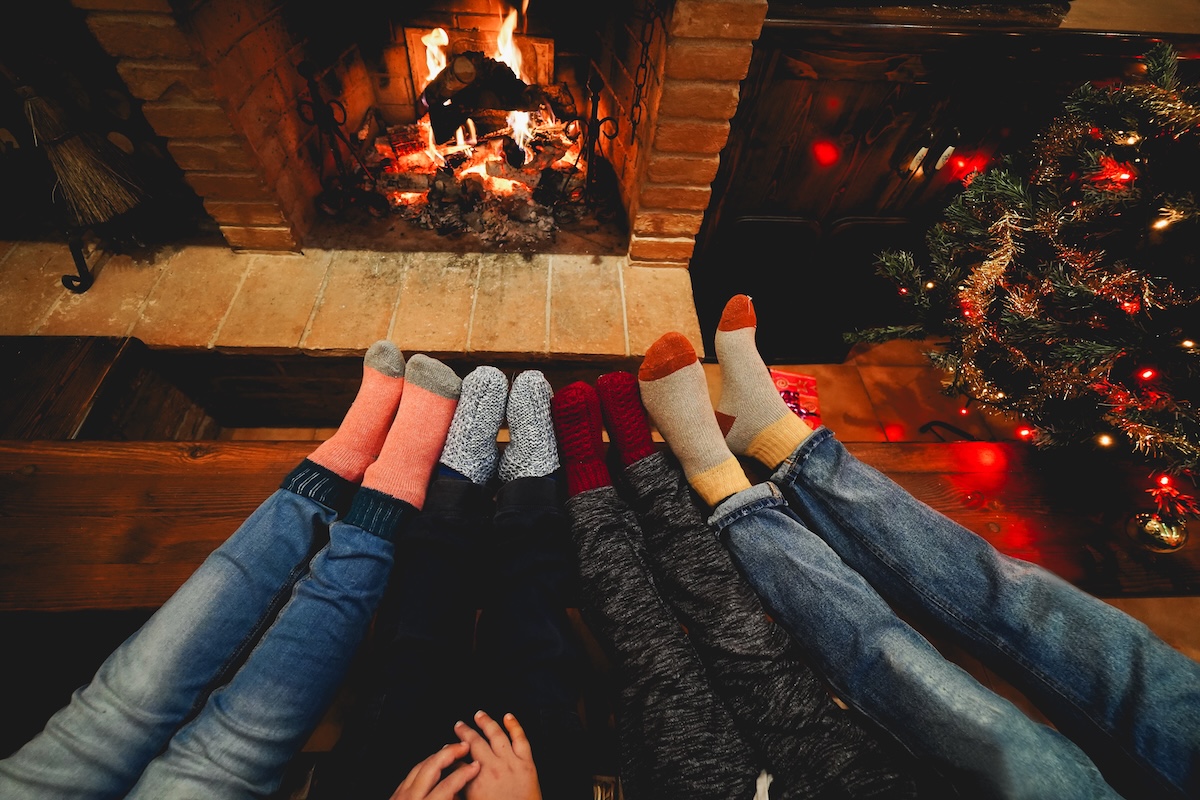
When winter arrives, most of us think about coats, gloves and boots. Socks tend to be an afterthought, grabbed from a drawer without much thought. But the sock is the layer closest to your foot, and it affects warmth, dryness and how your shoes fit all season long.
Why Winter Socks Matter
Your feet sweat all year, even in the cold. Insulated boots and closed shoes hold that moisture in, and moisture is what makes feet feel cold. A damp sock pulls heat away from your skin, so you can wear great boots and still end up with chilly, clammy feet by lunchtime.
The right sock keeps feet warmer, drier and more comfortable. It also cushions where you need it, which matters when you’re on your feet all day.
Choose the Right Material
Merino wool is a favorite for winter. It insulates well, feels soft, and handles moisture better than many fabrics. Wool can still keep you feeling warm when it’s slightly damp.
Synthetic blends such as nylon, polyester and spandex dry quickly, hold their shape and add stretch. Many good winter socks blend wool with synthetics for warmth and durability.
Cotton is the one to be careful with. It absorbs moisture and holds onto it, which can leave feet cold and clammy during long days outdoors or on your feet. Cotton is fine for a quick errand, but it’s a poor choice for cold, wet weather or a full day of activity. Should be avoided.
Thicker Isn’t Always Better
It’s tempting to reach for the thickest sock you own, but a bulky sock can backfire. Packing too much into a shoe or boot can squeeze your foot, restrict movement and leave less room for warm air, so your feet can end up colder. A shoe that feels roomy in summer may feel snug once a heavy sock goes in.
This is where fit comes in. The number on the box is only a starting point, and the sock you wear changes how a shoe fits. If you wear thicker socks in winter, try your shoes on with those socks. If you wear medium-weight socks, fit with those. What matters is how the shoe feels with what you actually wear.
Layering, Fit and Details
Consider a thin liner under a warm sock. A light, snug base layer can wick moisture while a heavier sock adds warmth. Just make sure you still have room in your shoe.
Look for a good fit in the sock itself. A sock that’s too loose can bunch and rub, which may cause blisters. One that’s too tight can feel restrictive. It should lie smooth, with no slipping at the heel or pinching at the toes.
Check the seams. Flat or seamless toes reduce rubbing, especially if you have sensitive feet.
Add cushioning where you need it. Extra padding at the heel and ball of the foot can add comfort during winter walks, long shifts and errands.
Match the height to the shoe. Taller boots call for taller socks. Crew or over-the-calf styles stay in place and help prevent bunching.
Replace worn-out socks. Thin, stretched or matted socks lose their cushioning and warmth. If a sock has gone thin at the heel or toe, it’s time for a new pair.
When To Be Extra Careful
If your feet are often cold, numb or painful, or you have diabetes, circulation concerns or another health condition, talk to your doctor or podiatrist before relying on socks alone. Avoid anything so tight that it leaves deep marks on your skin. Socks and shoes help your comfort, but they can’t replace medical care.
Bring Your Socks When You Try On Shoes
This is the easiest winter tip we can give you: when you come in for a fitting, wear or bring the socks you’ll actually use. At Hawley Lane Shoes, we don’t just sell a size. We fit shoes. Our fitting specialists check length and width, ask where you feel pressure, and bring out several options, sometimes in different sizes or widths, so you can see how each one feels with your socks.
Browse our winter footwear and boots, look at our selection of comfort socks, and stop by any of our five Connecticut locations in Stamford, Norwalk, Danbury, Orange or Shelton. Ask about a free foot assessment while you’re there.
Your shoe size is just a number. Your perfect fit is our specialty, and it starts at your feet.